For Parents.
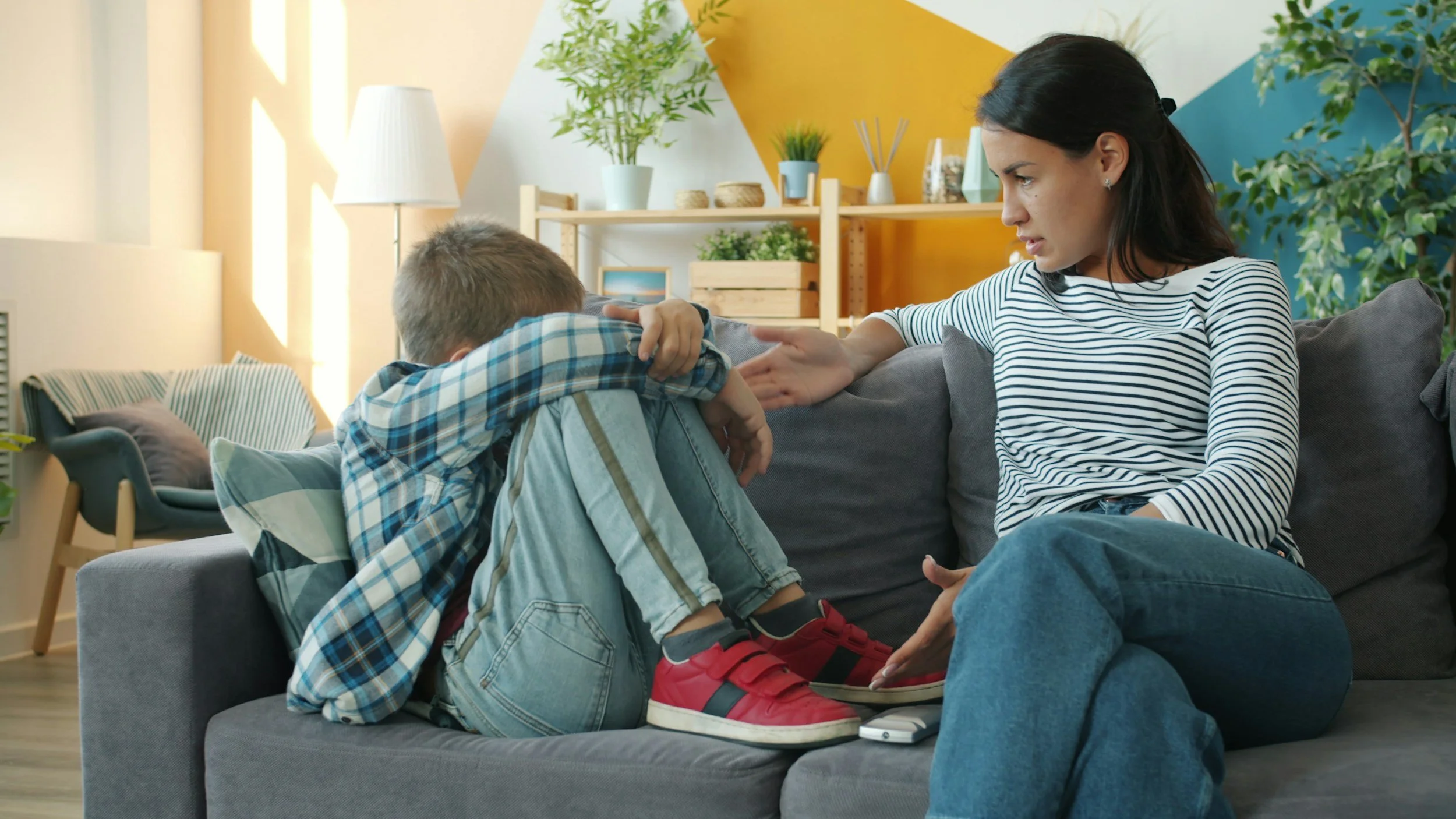
You may not see the bullying.
But you may feel the change.
The silence.
The anger.
The anxiety.
The phone that suddenly matters too much.
The friends they no longer mention.
The answer that is always, “I’m fine.”
Your instinct is information.
Pay attention.
You ask every day.
“How was school?”
“Is everything okay?”
“How are you doing?”
And every day, the answer is the same.
“Fine.”
“Nothing.”
“I don’t know.”
That silence is not nothing.
That silence is information.
Your instinct is right.
Something may be happening.
Maybe they stopped talking about friends.
Maybe their phone makes them anxious.
Maybe they are suddenly left out of things they used to be part of.
Maybe they made a mistake, apologized, and are still being punished for it.
Maybe they are being mocked, labeled, screenshotted, excluded, or quietly turned into the problem.
Bullying does not always come home as a bruise.
Sometimes it comes home as silence.
Sometimes it comes home as anger.
Sometimes it comes home as exhaustion.
Sometimes it comes home as a child who seems smaller than they used to.
This page is for the things parents often sense before they can name.
The First Truth
You do not need proof to start noticing.
You do not need the whole story to start asking better questions.
And you do not need your child to use the word bullying before you take what they are feeling seriously.
Some bullying is obvious.
A shove.
A threat.
A cruel name.
A fight.
But some of the most damaging harm is harder to see.
A rumor.
A screenshot.
A group chat.
A label.
A lunch table that never has room.
A mistake that follows a child everywhere.
An apology that gets used as a weapon.
A child may not know how to explain it.
They may not know if it counts.
They may only know that something feels different.
Believe that feeling.
Start there.
“When a child goes quiet,
that is not the absence of a problem.
It may be the first sign of one
they do not believe anyone will understand.”
Why Kids Do Not Always Tell
Children do not always hide things because they do not trust their parents.
Sometimes they stay quiet because they are trying to survive the day.
They may be embarrassed.
They may be afraid you will overreact.
They may worry it will get worse if adults get involved.
They may not have proof.
They may think it sounds too small when they say it out loud.
They may have already tried to explain it and felt dismissed.
They may be protecting someone else.
They may be protecting themselves.
Or they may have started to believe this is just how things are now.
That silence is not nothing.
It may be the only way they know how to carry something they do not yet have the words for.
What Parents often Miss
Most parents are watching for the obvious signs. Tears. A fight. A bruise. A threatening message. A clear story. A name they can take to the school. But bullying does not always give you that. Sometimes the first sign is a shift. Your child stops mentioning friends they used to talk about. Their phone makes them anxious. They delete messages quickly. They avoid school events, parties, games, practices, or group activities. They seem nervous about a specific person, group, hallway, class, team, or group chat. They made a mistake, apologized, and still seem trapped by it. They come home angry, quiet, exhausted, or smaller than they used to be. They say “I’m fine” in a way that does not feel fine. Parents often wait for proof. But sometimes the first proof is the change in your child. Their world gets smaller. Their confidence drops. Their energy shifts. That is information. Do not ignore it.
The Group Chat
There is a group chat for the friend group.
There is also a second one.
Your child is not in it.
Plans are made there.
Jokes happen there.
Decisions happen there.
Your child finds out later.
Or never.
The Earbuds
They put their earbuds in or hope on their phones before they even get to school.
Not because they are listening to music.
Because it gives them somewhere to look.
Somewhere to disappear.
The Lunch Table
Seats are saved every day.
Except one.
Nobody says anything directly.
Nobody has to.
The message arrives without words.
The Plans
Everyone is doing something after school.
The invitation was never extended.
They find out Monday when everyone is talking about where they went.
The Circle
A group stands together before class.
Your child walks up.
The circle does not open.
The conversation continues as though they are not there.
The Silence
They used to talk about their friends constantly.
Now they do not mention anyone.
That is not automatically a phase.
It may be a signal.
STAGE 1 - The Comments
Snide remarks.
Small digs.
Jokes at their expense.
Nothing anyone could point to directly.
Nothing that sounds serious when repeated out loud.
But they feel it.
Every time.
STAGE 2 - The Distance
Friends start to drift.
Invitations stop coming.
They find out about things after they happened.
The group chat gets quieter when they are in it and louder when they are not.
The lunch table changes.
The circle closes.
The space grows.
STAGE 3 - The Label
Someone says something about them.
Maybe it is petty.
Maybe it is exaggerated.
Maybe it is false.
Maybe it is based on one mistake without context, repair, or the full story.
But once the label spreads, it takes on a life of its own.
People repeat it.
Then people believe it.
Then people treat the child as if the label is all they are.
And once the group decides who someone is, it can become brutally hard for that child to move beyond it.
STAGE 4 - The Protection
They start pulling back before someone else can.
Earbuds in.
Eyes down.
Lunch alone.
They stop reaching out because reaching out started to feel like setting themselves up.
They choose silence because rejection has become too painful.
STAGE 5 - The Belief
This is the most damaging stage.
They stop believing it will change.
They start believing this is just who they are.
The person who does not get included.
The person who sits alone.
The person who is always slightly outside of everything.
That belief is a lie.
But it becomes convincing when a child has been living inside it long enough.
STAGE 6 - The Silence
They stop talking about it at home.
They give one word answers.
They say they are fine.
They are not fine.
This is when parents need to pay attention most.
Not only when their child is loudly upset.
But when they go quiet.
Sometimes a parent asks every single day.
And every single day, the answer is fine.
That silence is not nothing.
That silence is information.
Keep asking.
By the Numbers
1 in 5
students ages 12 to 18 reported being bullied during the school year.
46%
of U.S. teens say they have experienced at least one form of cyberbullying.
44%
of students who were bullied at school told an adult at school.
Sources: StopBullying.gov · Pew Research Center

Is Your Child Being Left Out?
Is Your Child Being Left Out?
Social exclusion is one of the hardest forms of bullying to spot because children often do not say it directly.
They may not have the words for it.
They may have tried to explain it before and felt dismissed.
Or they may have started to believe this is just how things are.
It is not.
Something can be done.
Watch for these signs:
They come home and go straight to their room.
They have stopped mentioning friends they used to talk about constantly.
They are vague when you ask who they sat with, walked with, or spent time with.
They seem anxious on Sunday nights or Monday mornings.
They avoid school events, parties, games, or group activities they once would have wanted to attend.
Their phone has gone quiet, and they seem to be watching more than participating.
They say things like “nobody likes me,” then quickly brush it off.
Their whole energy has shifted, and you feel it before you can explain it.
These are not automatically teenage phases.
They may be signals.
Pay attention.
“The first job is not to fix it.
The first job is to make sure your child feels heard.”
How to Start the Conversation
When a child is being excluded, the wrong question can make them shut down.
The right question gives them a safer way to begin.
What Shuts the Door
“Are you being bullied?”
Most kids will say no, even if the answer is yes.
The word can feel too big, too dramatic, or too embarrassing to admit.
“I’m sure they didn’t mean it.”
This explains away the hurt before your child has even finished telling you what happened.
“What did you do?”
Even if you mean it gently, it can sound like blame.
Start with what happened before you ask why.
“Just ignore them.”
They have probably tried.
And if ignoring it worked, they would not still be hurting.
What Opens the Door
Ask about the room, not just your child.
“Who did you sit with today?”
“Was anyone sitting alone?”
“Did anything feel different with your group?”
Ask small, specific questions.
“Who walked with you to class?”
“Who did you talk to the most today?”
“Who was kind to you today?”
Let silence happen.
Do not rush to fill the pause.
Sometimes the truth comes after the quiet.
Believe them first.
Before you explain.
Before you fix.
Before you email anyone.
Let them feel believed.
Keep asking.
Not in an interrogation way.
In a steady, loving, I am still here way.
Especially when they keep saying, “fine.”
When to Step In
Not every hard friendship moment needs a parent email.
But some things should not be waited out.
Step in when there are threats.
Physical harm.
Repeated humiliation.
Cyberbullying.
Screenshots or posts being used to embarrass or control your child.
Rumors that are spreading.
A pattern of exclusion that is affecting your child’s wellbeing.
Retaliation after your child spoke up, apologized, set a boundary, or tried to repair harm.
A noticeable change in eating, sleeping, school attendance, mood, confidence, or sense of safety.
When you contact the school, be calm and specific.
Share dates if you have them.
Share screenshots if they exist.
Describe the pattern.
Ask what will be done to stop the harm.
Ask how retaliation will be prevented.
Ask who will follow up.
Do not accept vague reassurance if the pattern continues.
Your child does not need you to panic.
They need you steady.
They need you clear.
They need you willing to act.
Is Your Child Leaving Someone Out?
This is the harder question.
But it may be the more important one.
Most children who participate in social exclusion are not trying to be cruel.
They are following the current of the group.
They are doing what feels safe.
They may not realize how much power a small choice can have.
But not meaning harm does not erase the harm.
Signs your child may be part of the exclusion:
They talk negatively about the same classmate again and again.
They dropped a friend without a clear explanation.
They are vague about why certain people are not invited.
They describe other kids as weird, annoying, dramatic, or “too much.”
They belong to a group that seems to decide who is in and who is out.
They laugh off someone else’s loneliness as if it is not serious.
But exclusion is not the only way kids participate in harm.
Sometimes a child joins in without starting it.
They laugh at the cruel joke.
They repeat the rumor.
They forward the screenshot.
They stay silent when someone is being mocked.
They pile on because everyone else is.
They keep bringing up one mistake after someone has apologized.
They treat someone like their worst moment is all they are.
They do not think of themselves as bullying anyone.
But they are helping the harm continue.
That matters.
Self-righteous cruelty is still cruelty.
Sometimes kids convince themselves that because someone made a mistake, they are allowed to treat that person any way they want.
They call it accountability.
But it is not accountability.
It is a pile-on.
It is humiliation.
It is punishment without a path back.
It is using one word, one rumor, one screenshot, one accusation, or one bad moment to decide that someone no longer deserves basic human compassion.
That is dangerous.
A child can say something wrong.
A child can hurt someone.
A child can need to apologize, repair, and change.
But no child deserves to be told they should hurt themselves.
No child deserves to hear that others would not care if they did.
No child should be treated as disposable because of one mistake, one rumor, or one label.
That is not justice.
That is bullying.
That is dehumanization.
And parents need to teach their children the difference.
Ask your child:
“Have you ever judged someone by one thing you heard about them?”
“Have you ever repeated a label without knowing the full story?”
“Have you ever joined in because everyone else seemed sure they were right?”
“Have you ever treated someone like they no longer deserved kindness?”
“Have you ever confused accountability with punishment?”
“Have you ever made someone feel like there was no way back?”
Then teach the standard:
Hold people accountable.
Tell the truth.
Repair harm.
Set boundaries when needed.
But do not dehumanize.
Do not threaten.
Do not tell someone to hurt themselves.
Do not turn a mistake into a life sentence.
Do not use morality as an excuse to be cruel.
How to approach it:
Do not shame them. Shame closes the conversation.
Ask them to imagine the other side.
“Have you ever felt left out?”
“What did that feel like?”
“Do you think someone else might be feeling that way right now?”
Then give them a clear next step.
When someone is sitting alone, sit down.
When someone is being left out, invite them in.
When someone is being mocked, do not laugh.
When someone is being talked about, do not repeat it.
When someone sends a screenshot, do not pass it along.
When someone is being threatened or hurt, tell an adult.
.When someone made a mistake, do not turn that mistake into their whole identity.
You are not raising a perfect child.
You are raising a child who knows how to notice harm, own their part, repair what they can, and choose better.
And you are raising a child who understands that being “right” does not give anyone permission to be cruel.
Because sometimes the most dangerous bullying comes from kids who believe they are the good ones.
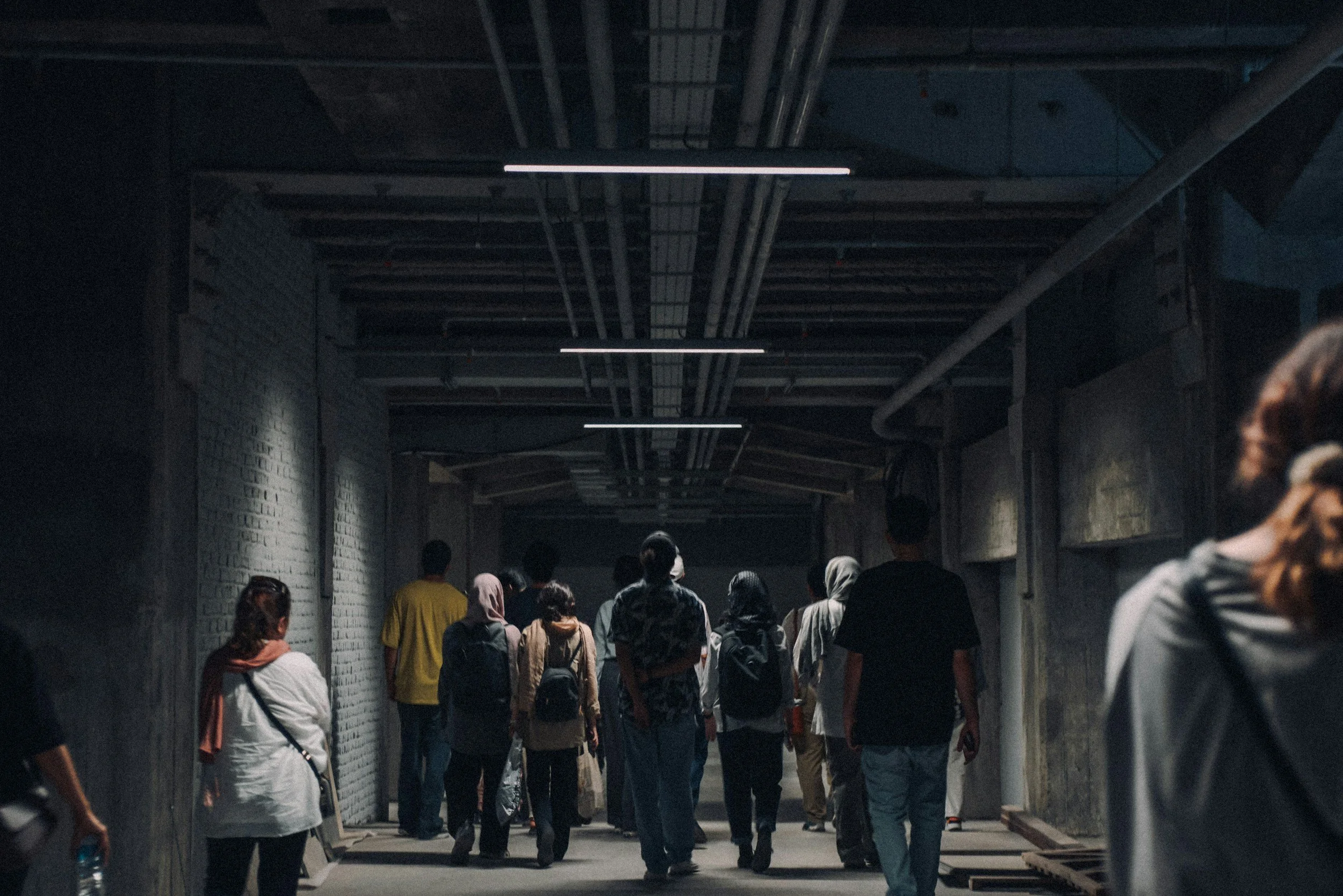
A child does not have to be cruel to cause pain.
Sometimes exclusion happens because everyone waits for someone else to be brave first.
Teach your child to be the first one.
Conversation Starters
You do not need a perfect speech.
You need one quiet moment and one honest question.
Use these in the car. At dinner. On a walk. Before bed.
Not all at once.
One question is enough.
For Middle Schoolers
“Who did you sit with today?”
“Did anyone sit alone at lunch?”
“Did anyone seem left out today?”
“Is there someone in your grade who seems like they could use a friend?”
“Has anything felt different with your friend group lately?”
“Was anyone kind to you today?”
“Did you have a chance to be kind to someone else?”
“If you could redo one moment from today, what would it be?”
For High Schoolers
“Do you think your friend group makes room for other people?”
“Have you ever stayed kind to someone when the group made it hard?”
“Is there anyone at school who seems more alone than people realize?”
“Have you seen someone get labeled for one mistake?”
“Do you think people at your school let each other grow, or do they keep people stuck in who they used to be?”
“What does it mean to be a good person when the crowd is going the other way?”
“What would closing the space look like for someone at your school right now?”
The goal is not to force a confession.
The goal is to become someone your child can tell the truth to.
“Because sometimes the most dangerous bullying comes from kids who believe they are the good ones.”
No child should have to sit alone.
Every parent knows the feeling of watching their child hurt and not knowing how to reach them.
Close the Space exists to help families, schools, and children recognize all forms of bullying sooner, talk about it more honestly, and choose courage when someone is being left out.
Help us build a culture where children are not defined by one moment, one mistake, one rumor, or one group’s decision about where they belong.